Make Every Benefits Plan Smarter and More Strategic
Use real-time employee wellbeing analytics to optimize program design, increase adoption, and prove ROI to HR, DEI, and Total Rewards stakeholders.
How Benefits Teams Use Pietential to Improve Outcomes and ROI
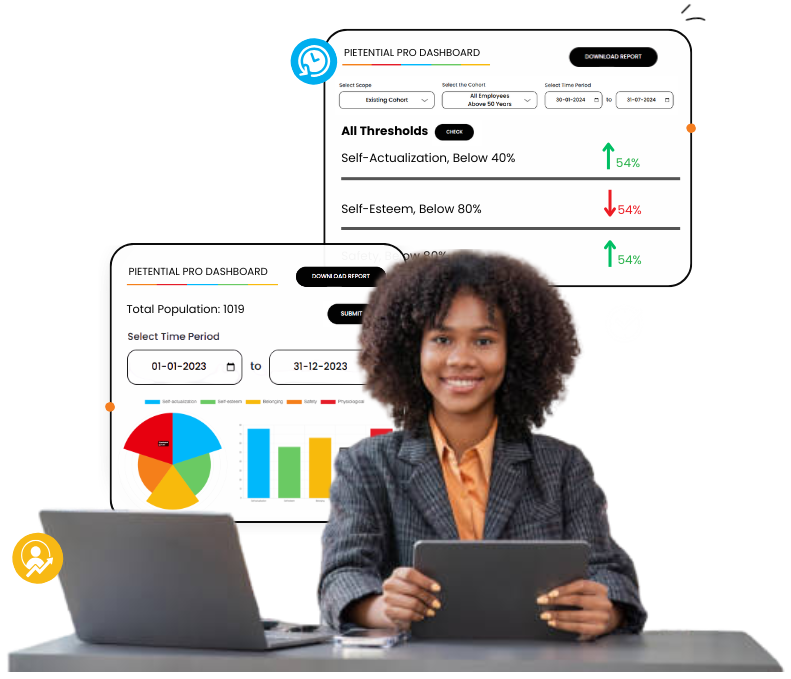
Pietential empowers internal Benefits leaders to measure workforce wellbeing, evaluate EAP and 125 Plan effectiveness, and optimize total rewards strategies using objective, predictive data. No more guesswork, just actionable, workforce-aligned insights.

Workforce Needs Assessment
Go beyond basic surveys, identify employee
needs through wellbeing data segmentation.

Smarter Plan Design
Use domain-level insights to shape
benefit plans aligned with real
employee wellbeing needs.

125 Plan ROI Evaluation
Track the effectiveness of FSAs,
HSAs, commuter benefits, and EAPs, proving value with real usage
data.

Uncover Utilization Gaps
Understand what’s not being used—and why.

Prove ROI to HR & Finance
Correlate wellbeing improvements with
performance and retention KPIs to justify
benefits investment.
Scalable Across Teams & Locations
Segment and report on wellbeing and benefits
data by department, location, or demographic
—ideal for hybrid and global teams.
What You Gain as a Benefits Executive
-
Guide Data-Backed Benefits Strategy
Use real workforce wellbeing analytics to design programs that work..
-
Report on Impact with Confidence
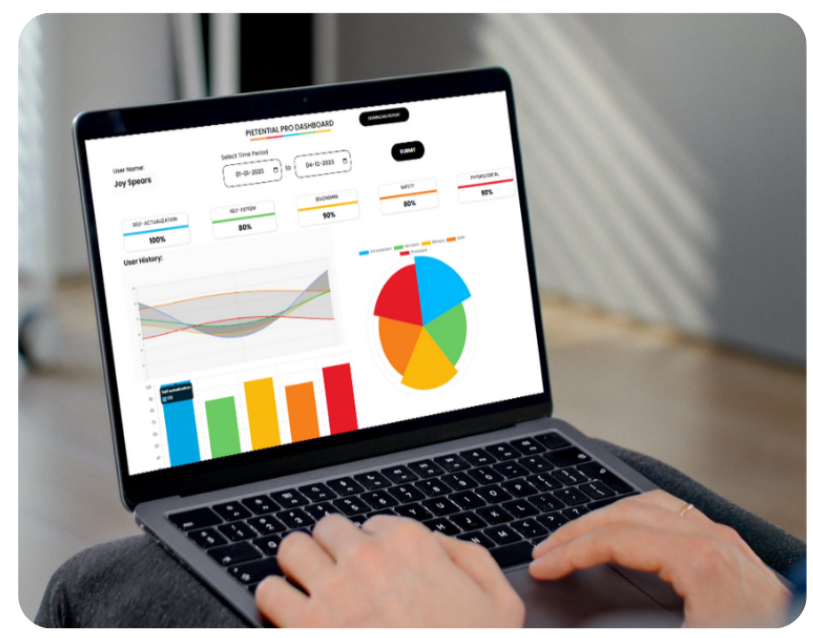
Visual dashboards make it easy to demonstrate ROI across Total Rewards and DEI priorities.
-
Drive Higher Plan Adoption
Increase utilization of benefits and support programs with data-backed recommendations.
-
Strengthen Workforce Outcomes
Spot early warning signs of burnout and support retention through smarter wellbeing alignment.
-
Stand Out Internally
Elevate your strategic value by aligning benefits to performance and engagement data.
Make Wellbeing Intelligence Your Competitive Advantage
Today’s employees demand more than generic perks. Pietential helps Benefits leaders move from transactional offerings to transformational impact—by linking benefits usage with predictive workforce wellbeing analytics and KPI-driven decision making.