
Quantifying Veteran Wellbeing | Thursday, July 16 | 12:00 PM ET
Can You Actually Prove Your Veteran Programs Are Working to Improve Veteran Wellbeing?
Learn More >
Most program leaders can’t answer that question with objective, unconflicted science-backed data. This session changes that.
Your team is committed. Your programs are running. And veterans in your community are showing up. But their wellbeing data isn't, because it isn't measured.
But if a major funder asked you tomorrow, “Which veterans’ wellbeing improved over the last six months, and how do you know?” could you answer the question in a way that increases their confidence (and investments) in your program?
What Is This Session About?
We’ll work through the questions your organization should be able to answer
- Is your program moving the needle on veteran wellbeing?
- Are your programs identifying and reaching the veterans who need them most?
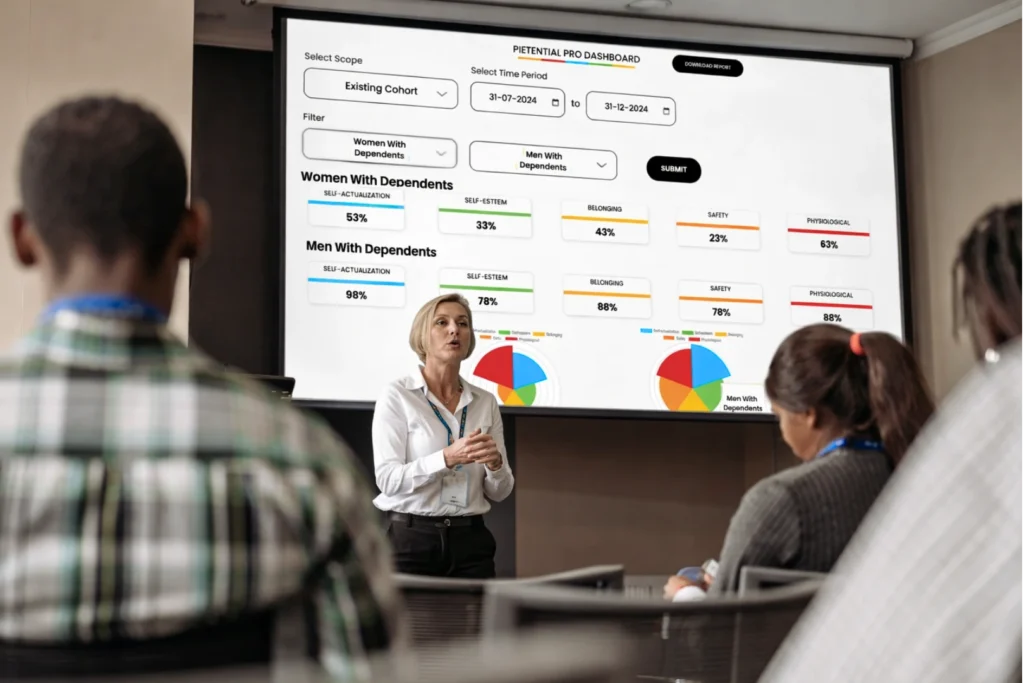
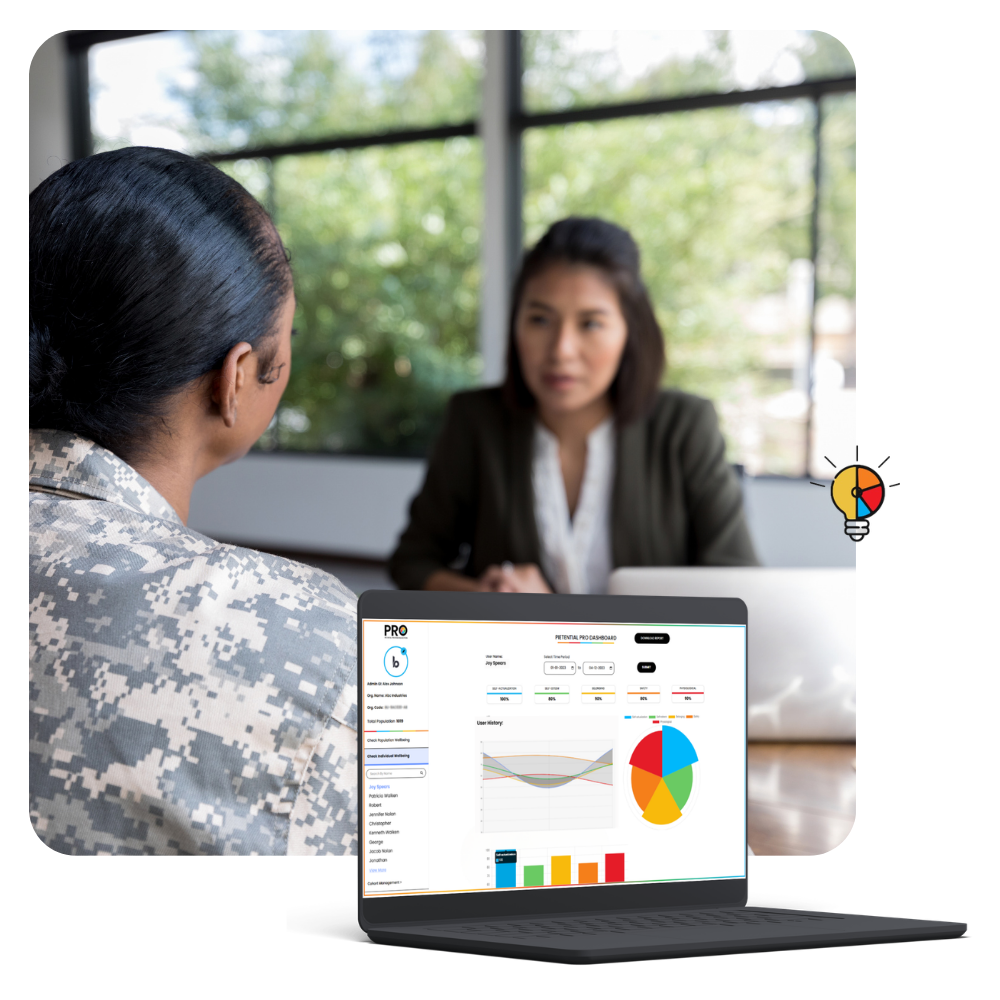
- How do you identify which individuals or cohorts are improving versus falling behind?
- Are you able to track changes in wellbeing over time, not just participation?
- Can you connect program efficacy and wellbeing improvement to increases in funding?
- What would you show a major funder if they asked for proof at your next meeting?
- Whose sense of belonging, self-esteem, or feelings of safety and security are declining?
- Is anyone in your program being left behind?
If any of these create even a moment of uncertainty, this session is for you.
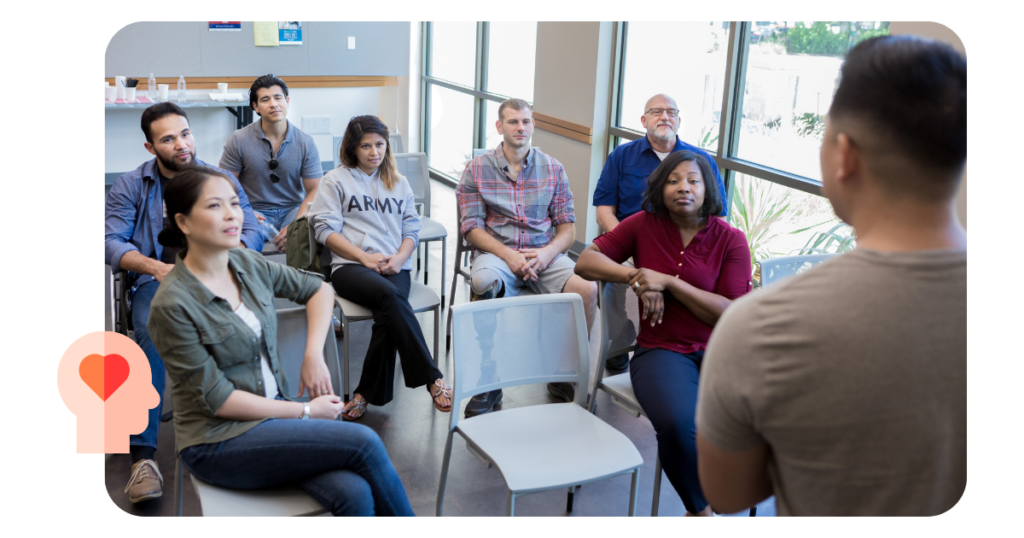
Who Should Attend






What You’ll Walk Away With
- A sharper picture of where your current impact measurement probably falls short
- Language to articulate those gaps clearly, to boards, funders, and your team
- A framework for individual, cohort, and total population-level wellbeing tracking over time
- Takeaways from a peer conversation with fellow veteran leaders navigating the same challenges
- A path to proving program efficacy and increasing funding
As veterans, we know better than most: activity is not effectiveness. For service organizations, the measure is not what was delivered; it is what changed in the lives of the veterans we serve.
Meet the Speakers
The voices behind this session
HOST
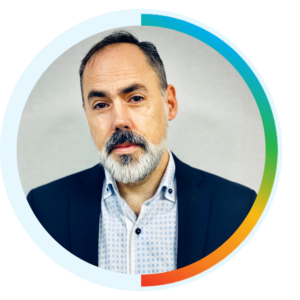
Founder & CEO, Pietential
John Starling served in the United States Air Force and spent 20 years advising companies and nonprofits on growth strategy before founding Pietential in 2019. Together, those experiences shape how he thinks about veteran wellbeing — not as an abstract metric, but as a real human condition that service organizations need to measure, understand, support, and improve. As founder and CEO of Pietential, John helps organizations benchmark, understand, and improve wellbeing across the people and communities they serve
- U.S. Air Force Veteran
- 25+ years as a trusted business advisor
- Founder & CEO, Pietential

GUEST SPEAKER
Founder & CEO, Veteran Roadmap | Keynote Speaker & Executive Coach
Dr. Steven Crane is a United States Marine Corps veteran and founder of Veteran Roadmap. After experiencing homelessness during his own transition from military service, Steven built his work around helping veterans and their families navigate the systems, decisions, and challenges that shape life after service. Through Veteran Roadmap, he supports veterans in accessing resources, building financial stability, strengthening community, and creating a stronger foundation for long-term independence.
- United States Marine Corps Veteran | Founder & CEO, Veteran Roadmap
- Author, keynote speaker, executive coach, and veteran advocate
- Focused on veteran transition, stability, benefits navigation, and long-term independence