
Companies measure almost everything.
Revenue. Margin. Productivity. Retention. Turnover. Absenteeism. Engagement. Customer satisfaction. Safety incidents. Healthcare utilization. Performance.
They have become very good at instrumenting the enterprise. What they are less good at, I think, is deciding which things are worth understanding before they become obvious enough to force themselves onto a dashboard, typically as a lagging indicator.
That distinction matters.
Retention starts slipping. Absenteeism rises. Productivity softens. Engagement declines. Managers report that people seem distracted, tired, irritable or just checked out. By then, everyone is looking at the visible result and asking what happened.

The better question is: What was happening before that?
A person was not sleeping.
Someone did not feel safe.
Someone was increasingly isolated.
Someone was losing confidence, caring for a parent, struggling financially, questioning whether the work still meant anything, or simply trying to get through the week without dropping one of the several balls already in the air.
None of these begins with a business metric. They begin with life.
And life comes to work with us, whether the organization has a category for it or not.
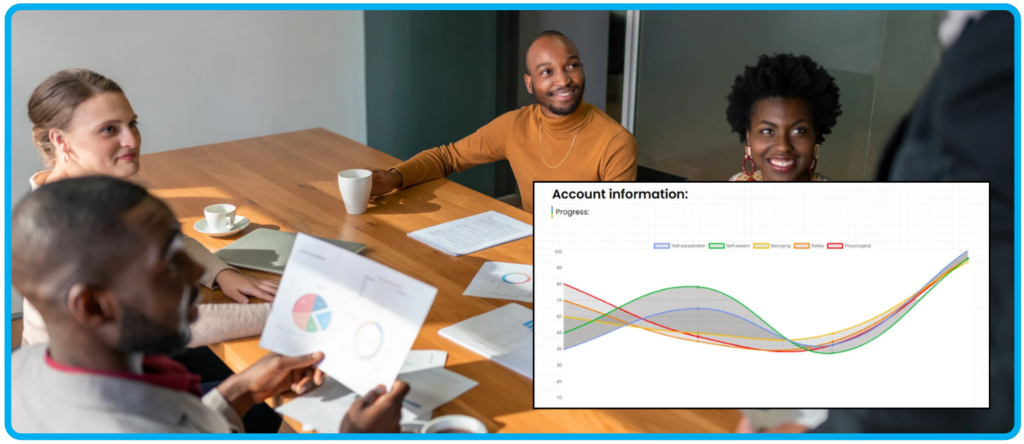
It comes to work in our concentration, our patience, our judgment, our confidence, our willingness to collaborate, our ability to recover from a bad day and our capacity to care about the work in front of us. Sometimes it shows up quietly. Sometimes it shows up all at once. And sometimes it takes months before anyone notices what has been changing.
Eventually, though, it lands in the numbers.
This is what I mean when I say:
Everything is downstream of wellbeing.
I do not mean that wellbeing explains every business problem. It plainly does not. A bad strategy is still a bad strategy. A poor manager can still be a poor manager even if his wellbeing is great. A weak product does not become a strong one because the people building it are sleeping eight hours a night.
What I mean is that human wellbeing conditions often precede human behaviors, and human behaviors eventually shape organizational outcomes. That sequence is so obvious when stated plainly that it is curious how often we manage in the opposite direction.
We know when someone leaves.
We know when absence increases.
We know when a team misses its numbers.
We know when healthcare costs rise.
We know when engagement falls.
Those measures matter. Of course they do. But many of them tell us what has already happened.
There is an old management adage: measure what matters.
The difficulty is deciding what matters before it becomes expensive enough to be obvious.
This is where I think the workplace wellbeing field has gone slightly sideways.
For years, the discussion has centered heavily on interventions: EAPs, coaching, mental-health benefits, resilience training, fitness programs, financial wellness, meditation apps, and a growing collection of services designed to help people feel or function better.
Some of those are excellent. Some are probably less excellent than the brochure suggests.
But the more important question comes earlier. Upstream of all of that.
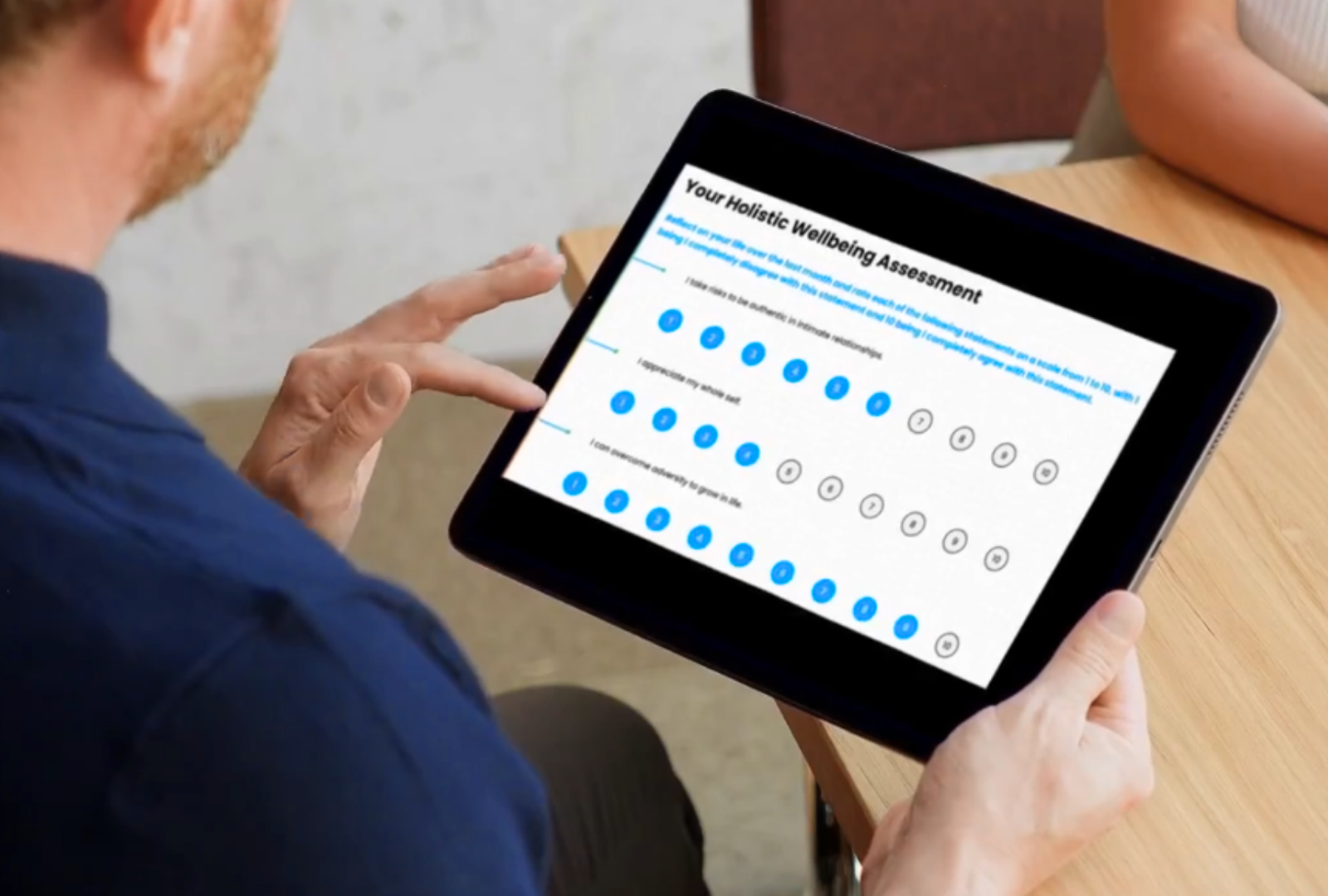
What is actually happening to our people?
Where is wellbeing improving?
Where is it deteriorating?
Is one population moving differently from another?
Did the thing we paid for actually change anything?
And if it did, did that change show up later in retention, engagement, performance, absence or some other outcome we already care about?
We have often put intervention before intelligence. That is backwards.
Before deciding what to offer, it helps to know what is happening.
That does not mean turning people into instrumentation for the enterprise. If anything, I think the individual should benefit first.
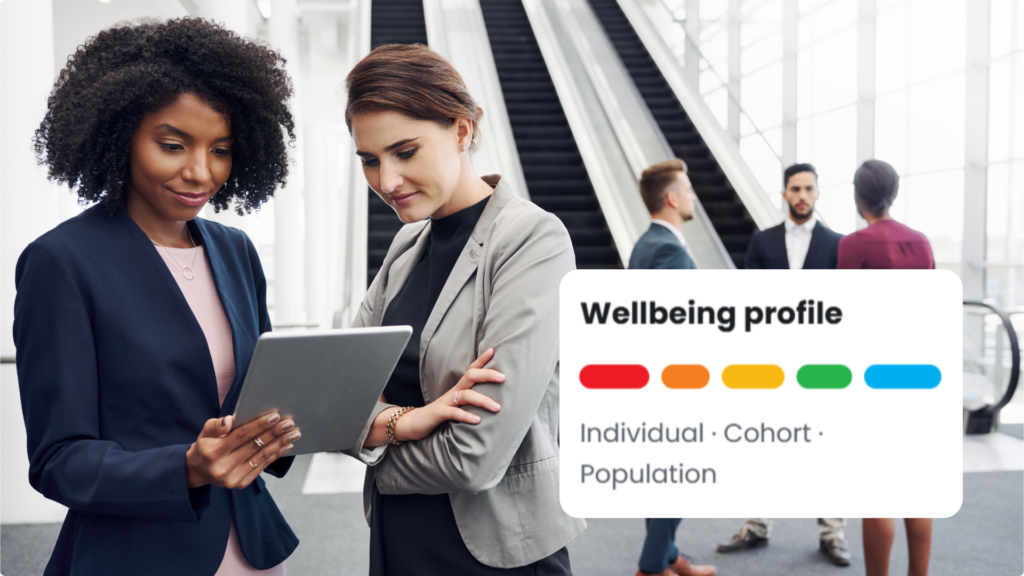
A person should be able to see their own wellbeing objectively in the moment and over time. They should be able to recognize where life is working, where it is under strain, and have access to tools that give them insight into, and greater agency over, their wellbeing.
That matters in its own right.
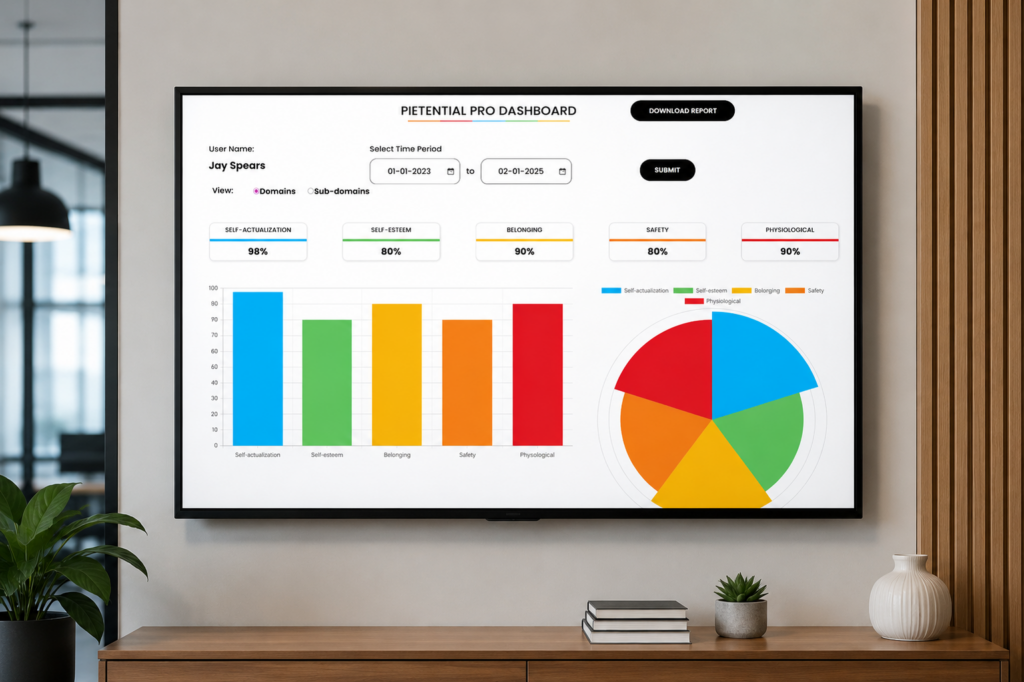
The organization needs something different. It needs to understand patterns: whether belonging is deteriorating in a population, whether psychological safety is improving, whether one part of the organization is moving in a different direction from another, and whether those changes are connected to changes elsewhere in the business.
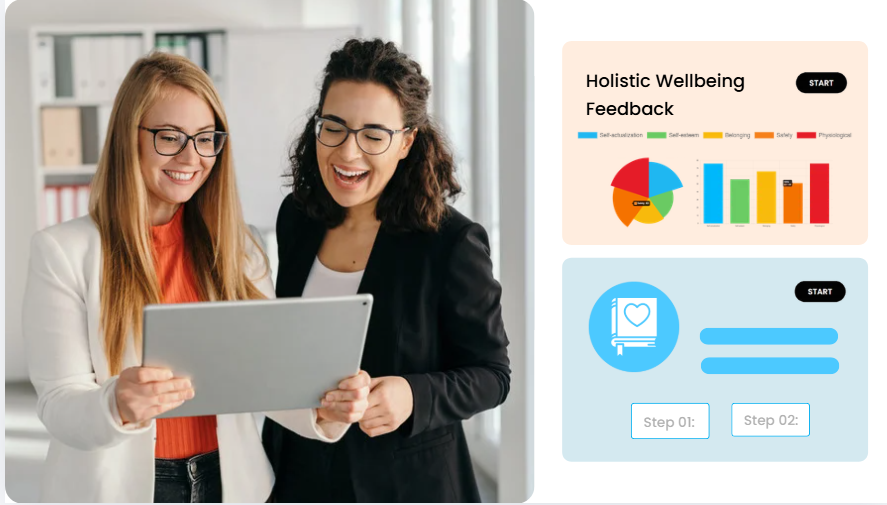
That is not surveillance. It is population-level intelligence.
And it raises a question I think organizations will have to get much better at answering:
Why are we still so sophisticated at measuring human output and comparatively unsophisticated at measuring human condition?
Finance has financial intelligence. Cybersecurity has threat intelligence. Marketing has customer intelligence. Operations has performance intelligence.
And what about the human system on which all of those systems depend?
Many organizations are still working from annual surveys, HR statistics, manager impressions and whatever problem has finally become large enough to reach someone’s desk.
We have dashboards for nearly everything.
The humans, apparently, were the exception.
I do not think the next evolution of workplace wellbeing is another program.
I think it is visibility.
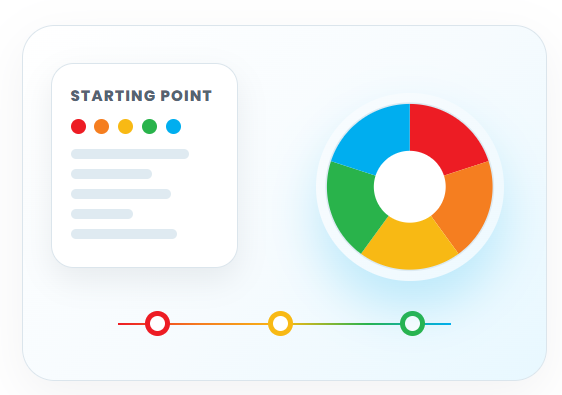
Measure wellbeing over time. Give your people the tools to have insight into and agency over their wellbeing. Understand differences among populations and correlate those differences to organizational outcomes and downstream financial consequences.
Measure what matters, and bring resources to the people who need them so they can improve their lives and, in doing so, improve your business.
Those two outcomes are not in conflict.
Years ago, when I was coaching companies and executives, I sometimes referred to this as The Life Balance Sheet.
The idea was that every person walks into work carrying assets and liabilities that will never appear on the company’s balance sheet. Relationships. Health. Confidence. Financial pressure. Purpose. Fear. Belonging. Sleep. Loss. Hope.
The company does not own those things. It should not.
But it would be naïve to pretend they stop mattering when someone logs in, walks through the door or joins a meeting.
They travel.
Into decisions.
Into relationships.
Into mistakes.
Into creativity.
Into retention.
Into performance.
And, eventually, into the numbers.
Everything is downstream of wellbeing. Everything.
Which means that when the numbers begin to move, the most useful question may be the one we should have been asking all along:
What was happening upstream?
Explore Pietential → | Contact: support@pietential.com