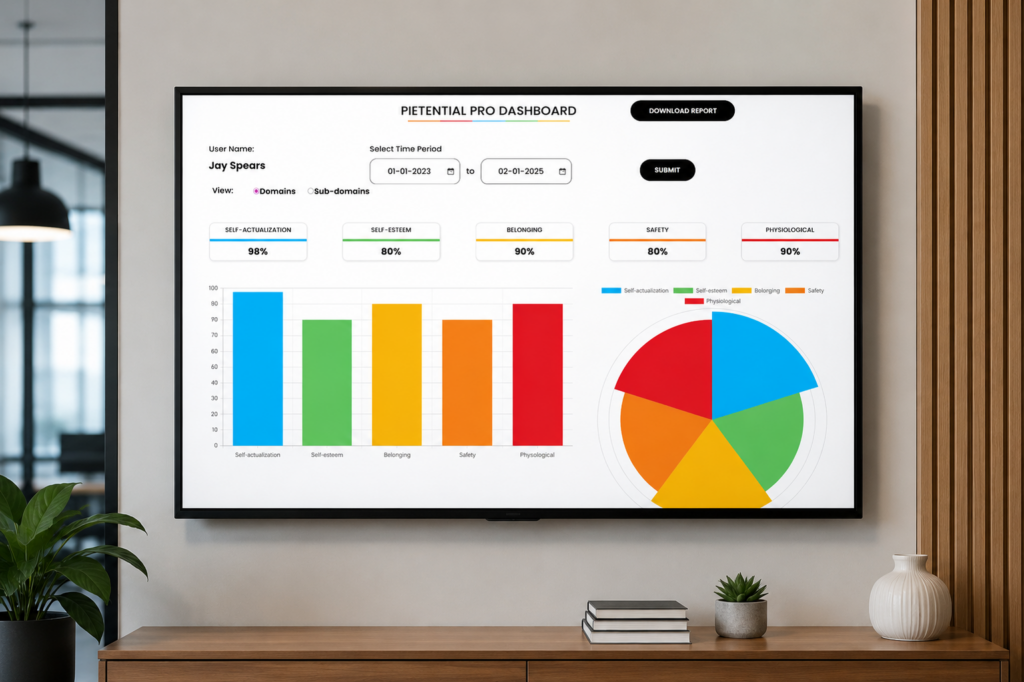

La seguridad psicológica ha sido bien establecida como un motor del desempeño, la innovación y la retención de equipos durante más de una década. La mayoría de los líderes de Recursos Humanos están familiarizados con el concepto. Menos organizaciones lo tratan como lo que realmente es: un indicador principal del riesgo de la fuerza laboral, medible, rastreable y directamente relacionado con los resultados comerciales posteriores.
Por qué la seguridad psicológica es un indicador de riesgo
Cuando la seguridad psicológica disminuye en un equipo u organización, la primera consecuencia es informativa. Los empleados dejan de plantear problemas. Se autocensuran los comentarios. Presentan la imagen que el liderazgo quiere ver en lugar de la que es precisa.
Este es el riesgo laboral en una de sus formas más importantes. Porque los problemas que no se reportan no desaparecen. Se acumulan. Y para cuando se hacen visibles — a través de la degradación del rendimiento, picos de rotación o fracaso del liderazgo — las condiciones subyacentes han estado presentes durante meses.
La seguridad psicológica es la señal temprana. Su declive precede a casi todos los problemas significativos en la fuerza laboral, porque es la condición que determina si los problemas salen a la luz o se ocultan.
Cómo se ve la disminución de la seguridad psicológica
Los primeros indicadores son de comportamiento. Las reuniones se vuelven más educadas y menos productivas. Disminuyen los desafíos y los debates. Los gerentes reciben menos retroalimentación sincera de sus equipos. Los líderes sénior descubren que las condiciones informadas consistentemente se ven mejor de lo que sugieren los resultados operativos.
A nivel de equipo: los empleados se vuelven más orientados al cumplimiento y menos orientados a la iniciativa. Las ideas dejan de ser propuestas. Los problemas se gestionan de forma lateral en lugar de escalarse. Los empleados de alto rendimiento inician su proceso de salida.
¿Cómo medirlo?
Medir la seguridad psicológica requiere un enfoque que no dependa de la seguridad psicológica para generar respuestas honestas. Este es el desafío metodológico central. Preguntar a los empleados ‘¿te sientes seguro al hablar?’ en una encuesta estándar a menudo produce respuestas socialmente aceptables en lugar de precisas.
Los enfoques de medición objetiva observan indicadores conductuales y de actitud que son menos susceptibles al sesgo de deseabilidad social. Hacen un seguimiento de los cambios a lo largo del tiempo dentro de las poblaciones en lugar de depender de puntuaciones absolutas. Y separan la medición de cualquier plataforma de intervención, lo que garantiza que la señal no esté en conflicto.
La salida no es una puntuación. Es una tendencia, y una advertencia temprana cuando esa tendencia se mueve en la dirección equivocada.
Las organizaciones que miden la seguridad psicológica como un indicador de riesgo, y no solo como una métrica cultural, ganan semanas o meses de tiempo de respuesta antes de que el riesgo se convierta en consecuencia. Para los directores ejecutivos y los directores de recursos humanos que gestionan el cambio, ese tiempo de antelación puede ser lo más valioso que su infraestructura de medición puede proporcionar.
Pietential mide la seguridad psicológica y la confianza como condiciones laborales previas, proporcionando a los equipos de liderazgo una señal temprana y objetiva antes de que se conviertan en problemas de rotación, rendimiento o compromiso. Obtenga más información en potencial.com.