
Tradicionalmente, el riesgo de la fuerza laboral ha residido en la función de recursos humanos. Los directores de recursos humanos (CHRO) son los responsables, los equipos de personal lo gestionan, y llega al director financiero (CFO) principalmente a través de métricas financieras rezagadas: costo de rotación, disminución de la productividad, gasto en salud. Esta estructura de gobernanza tenía sentido cuando las condiciones de la fuerza laboral se consideraban una variable blanda. Tiene menos sentido ahora.
Las condiciones de la fuerza laboral —el estado psicológico y organizacional de las personas que realizan el trabajo— son un factor directo del rendimiento operativo, la previsibilidad financiera y la exposición al riesgo organizacional. Los directores financieros (CFO) que las tratan como métricas de recursos humanos están pasando por alto una variable material en su modelo operativo.
Los costes financieros que no se ven claramente
Los costos que aparecen en los informes financieros son los obvios: costo de reemplazo, gasto en contratación, ausentismo, pérdida de productividad. Estos son reales y significativos. Pero son las consecuencias de las condiciones de la fuerza laboral, no las condiciones en sí mismas.
Los costos que rara vez aparecen con claridad: la fatiga por decisiones en el liderazgo que reduce la calidad de la ejecución, el agotamiento sostenido de los gerentes que genera una inestabilidad en cascada en los equipos, la fuga de conocimientos antes de la renuncia formal y la desconexión que se multiplica en los equipos antes de que cualquier individuo se vaya.
Estos costos son más difíciles de calcular, pero no imposibles de estimar, y superan sistemáticamente lo que aparece en los modelos estándar de costos de la fuerza laboral.
Por qué las condiciones de la fuerza laboral deben incluirse en el registro de riesgos
El riesgo financiero, el riesgo operativo y el riesgo cibernético tienen marcos de gobernanza —informes periódicos, umbrales de riesgo definidos, visibilidad a nivel de junta directiva—. Las condiciones laborales generalmente no.
Esta asimetría está empezando a cambiar. Los directores financieros y de operaciones que gestionan la transformación, la reestructuración o la presión sostenida sobre el rendimiento descubren que la inestabilidad de la plantilla se manifiesta en los resultados operativos con la misma frecuencia y magnitud que otros riesgos materiales, sin contar con la misma infraestructura de medición para anticiparla.
Cómo es una mejor medición para los líderes financieros
La métrica que los directores financieros (CFO) necesitan no son más datos de compromiso. Son indicadores adelantados de las condiciones que generan consecuencias financieras: la formación de agotamiento (burnout), el deterioro de la confianza, el cansancio de los gerentes y las trayectorias de confianza de la fuerza laboral.
Estos indicadores existen. Pueden ser rastreados continuamente, a nivel de población, con una resolución que permite la intervención antes de que se materialicen las consecuencias. La pieza faltante ha sido una infraestructura de medición diseñada para proporcionar esta señal a nivel ejecutivo, no solo en los paneles de recursos humanos, sino en el panorama de riesgo operacional que la dirección utiliza para tomar decisiones.
Las condiciones de la fuerza laboral son una variable de riesgo financiero. Las organizaciones que construyan una infraestructura de medición para detectarlas a tiempo tendrán una mejor previsibilidad operativa, menores costos de rotación y una ventaja material en la estabilidad de la fuerza laboral a través de los ciclos de disrupción que ahora son una característica permanente del entorno operativo.
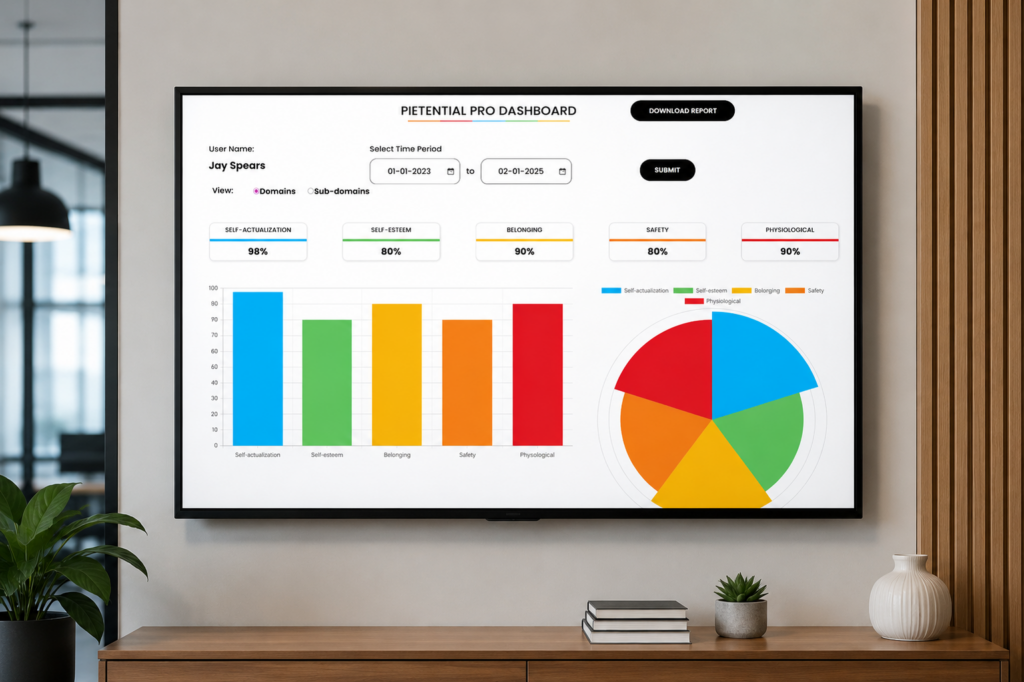
Pietential proporciona la infraestructura de inteligencia de la fuerza laboral que brinda a los directores financieros (CFO) y de operaciones (COO) visibilidad de las condiciones de la fuerza laboral como indicadores de riesgo operativo: de manera continua, objetiva e independiente de las plataformas de intervención. Para comprender cómo se integra con los informes de riesgos ejecutivos, comuníquese con el equipo de Pietential en potencial.com.