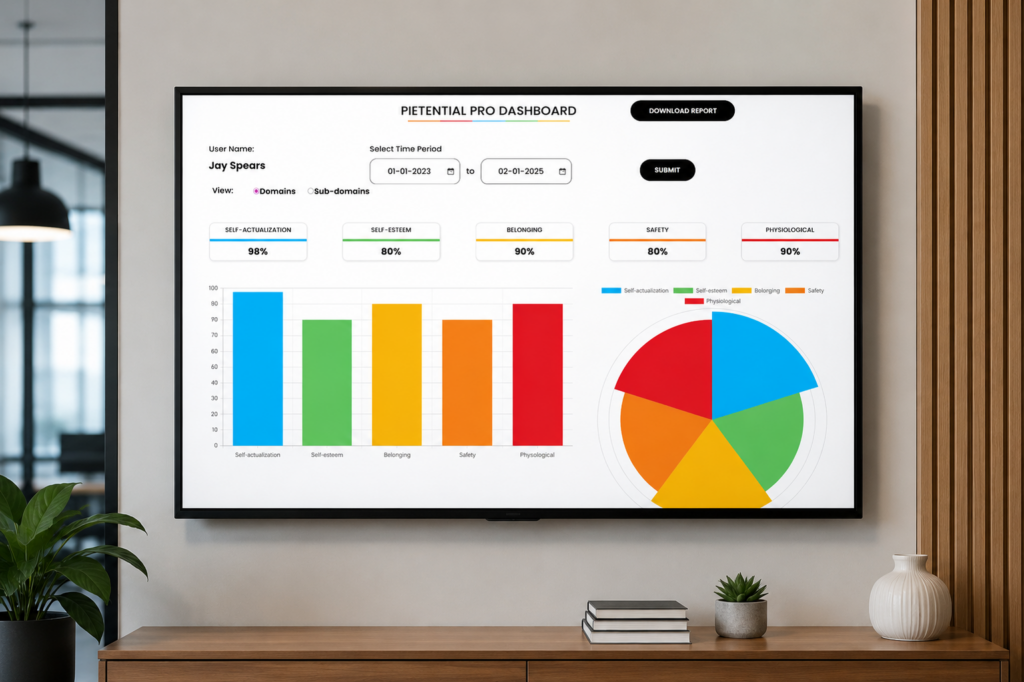

La mayor parte de la tecnología para la fuerza laboral está diseñada para intervenir: para mejorar el bienestar, aumentar el compromiso, desarrollar a los gerentes y apoyar la salud mental. Esta tecnología es valiosa. Pero se encuentra en un nivel diferente de la pila de gestión de la fuerza laboral en comparación con la infraestructura de medición. Y confundir ambos niveles es la razón por la cual la mayoría de las organizaciones aún carecen de la visibilidad que necesitan para tomar decisiones seguras sobre su fuerza laboral.
¿Qué hay debajo de la capa de medición?
La tecnología de intervención —plataformas de bienestar, herramientas de compromiso, sistemas de aprendizaje, servicios de PAE— se encuentra en el nivel de implementación de la pila. Estas son las herramientas que las organizaciones utilizan para ejecutar su estrategia de personal.
El desafío es que la mayoría de estas herramientas también intentan medir su propio impacto. Y esto crea un conflicto estructural. Una plataforma de bienestar que mide su propia eficacia tiene un interés comercial en los resultados positivos. La medición no es independiente de la intervención, lo que significa que la señal no está libre de conflictos.
Qué hay arriba
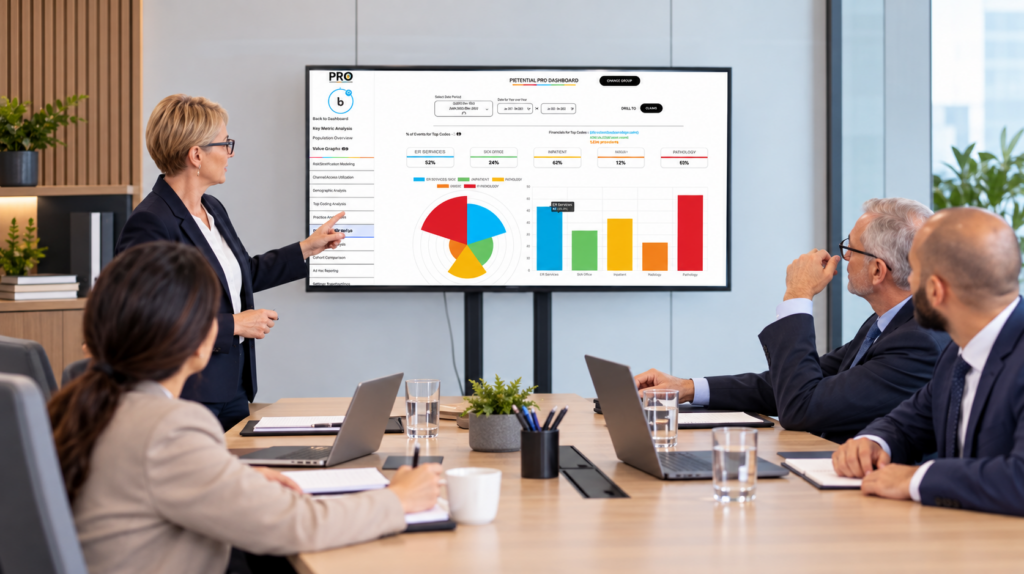
La inteligencia de la fuerza laboral se sitúa por encima de la capa de intervención —no como un reemplazo de ninguna herramienta específica, sino como la infraestructura de diagnóstico que le indica el estado de su fuerza laboral independientemente de las intervenciones que esté ejecutando.
La analogía es clínica. Un análisis de sangre no reemplaza a la medicación. Te dice cuál es la condición para que puedas tomar una mejor decisión sobre la medicación —y evaluar si esta está funcionando—. El análisis está estructuralmente separado del tratamiento. Esa separación es lo que lo hace útil.
La inteligencia de la fuerza laboral funciona de la misma manera. Mide las condiciones previas —seguridad psicológica, confianza, seguridad en uno mismo, salud de los mánageres, presión de la carga de trabajo, sentido de pertenencia— de forma continua y objetiva. Independientemente de los programas diseñados para mejorarlas.
La ventaja en la dirección del origen
El valor práctico de la medición previa es el momento oportuno. La tecnología de intervención te dice cuántas personas usaron el recurso. La inteligencia de la fuerza laboral te dice si las condiciones están mejorando antes de que cambien los resultados.
Esto otorga a los equipos de liderazgo semanas o meses de margen de maniobra con los que no cuentan con los métodos de medición estándar. En lugar de responder a la deserción después de que aumenta, pueden ver las condiciones que se están formando y que la impulsarán, y actuar antes, con mayor precisión y con mayor confianza.
Lo que esto significa para las decisiones de inversión
Las organizaciones con infraestructura de medición ascendente toman mejores decisiones de intervención. Pueden ver qué poblaciones necesitan apoyo antes de que la necesidad se vuelva aguda. Pueden evaluar si un nuevo programa de bienestar está orientando las condiciones en la dirección correcta, o si la inversión se está destinando a áreas de menor necesidad mientras las poblaciones de mayor riesgo pasan desapercibidas.
La ventaja de la medición en origen no consiste en añadir más tecnología a la infraestructura. Se trata de añadir la capa adecuada: aquella que hace que cualquier otra inversión en estrategia de fuerza laboral sea más precisa, esté más basada en evidencias y tenga más probabilidades de producir los resultados para los que fue diseñada.
Pietential es la capa de inteligencia de la fuerza laboral, diseñada para ubicarse por encima de la infraestructura tecnológica y ofrecer a los equipos directivos una visibilidad objetiva, continua y sin conflictos sobre las condiciones que determinan la salud organizacional. Explore la plataforma en pietential.com o póngase en contacto con el equipo para comprender cómo se adapta a su infraestructura actual.